
On-page SEO means improving the visible and technical parts of a webpage so search engines and visitors can understand it better. Every important page on your website should follow basic on-page SEO practices.
The first step is a clear page title. Your title should explain what the page is about and include the main keyword naturally. The main heading should also be clear and relevant to the service or topic.
Your page content should answer what the visitor is looking for. It should explain the service, benefits, process, trust points, and next steps. Avoid thin content that only uses a few lines without helpful detail.
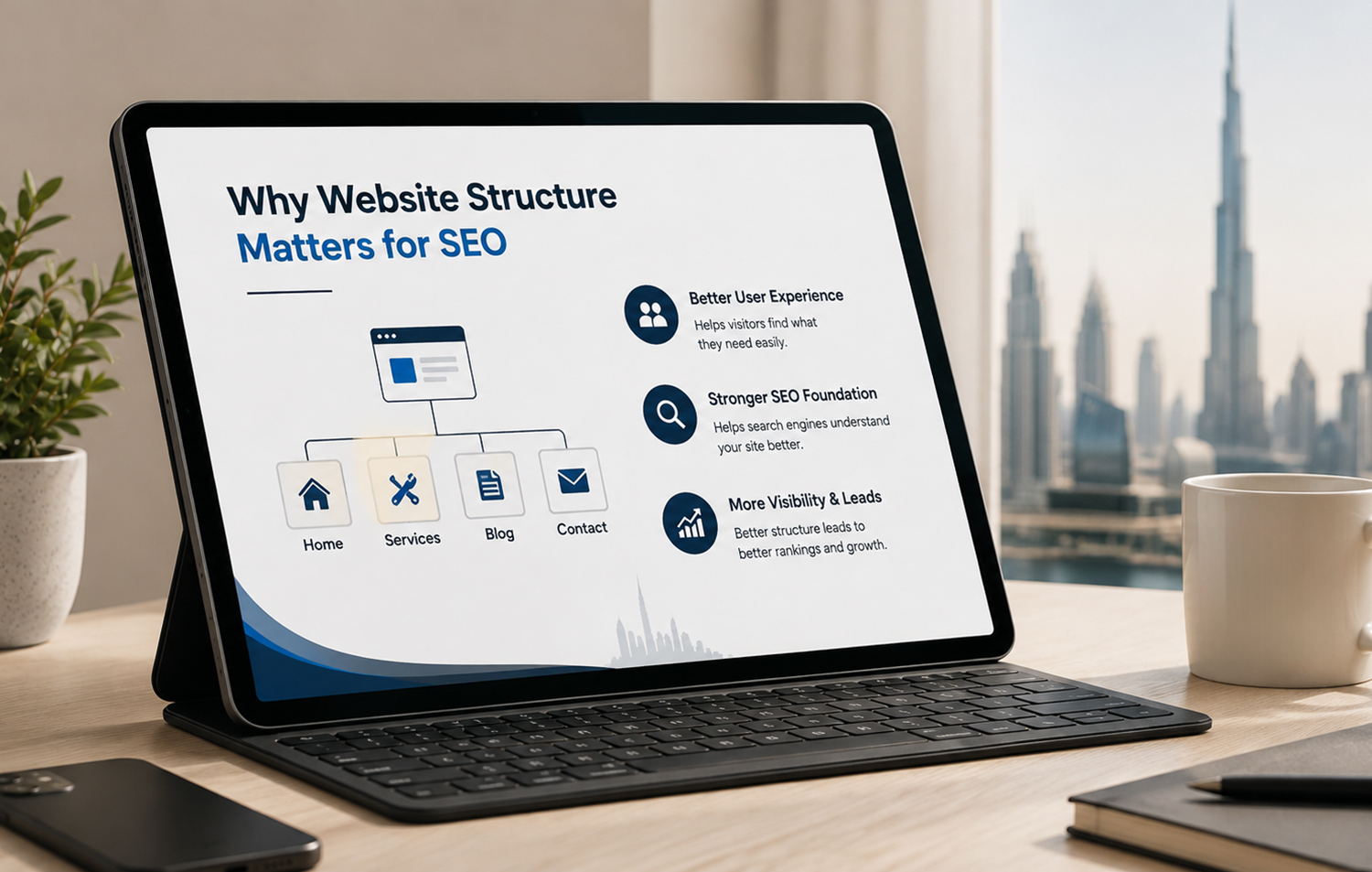
Headings should be used properly to organise the page. This makes the content easier to scan and helps search engines understand the structure.
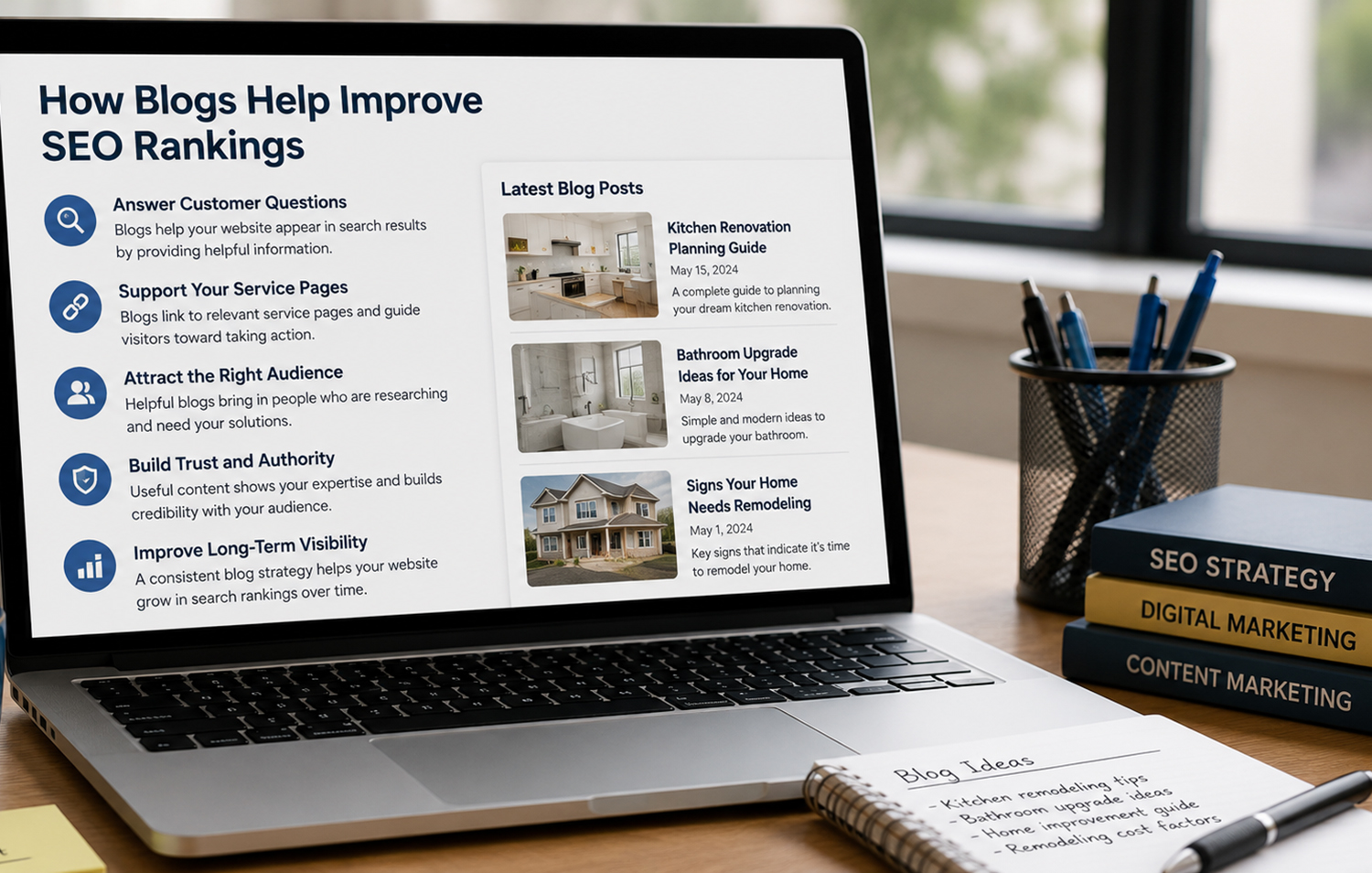
Images should have proper file names and alt text when possible. Internal links should connect related pages, such as blogs linking to service pages.
Calls to action are also important. SEO brings people to the page, but the page should also help visitors take action.
Good on-page SEO improves visibility, user experience, and conversions at the same time.